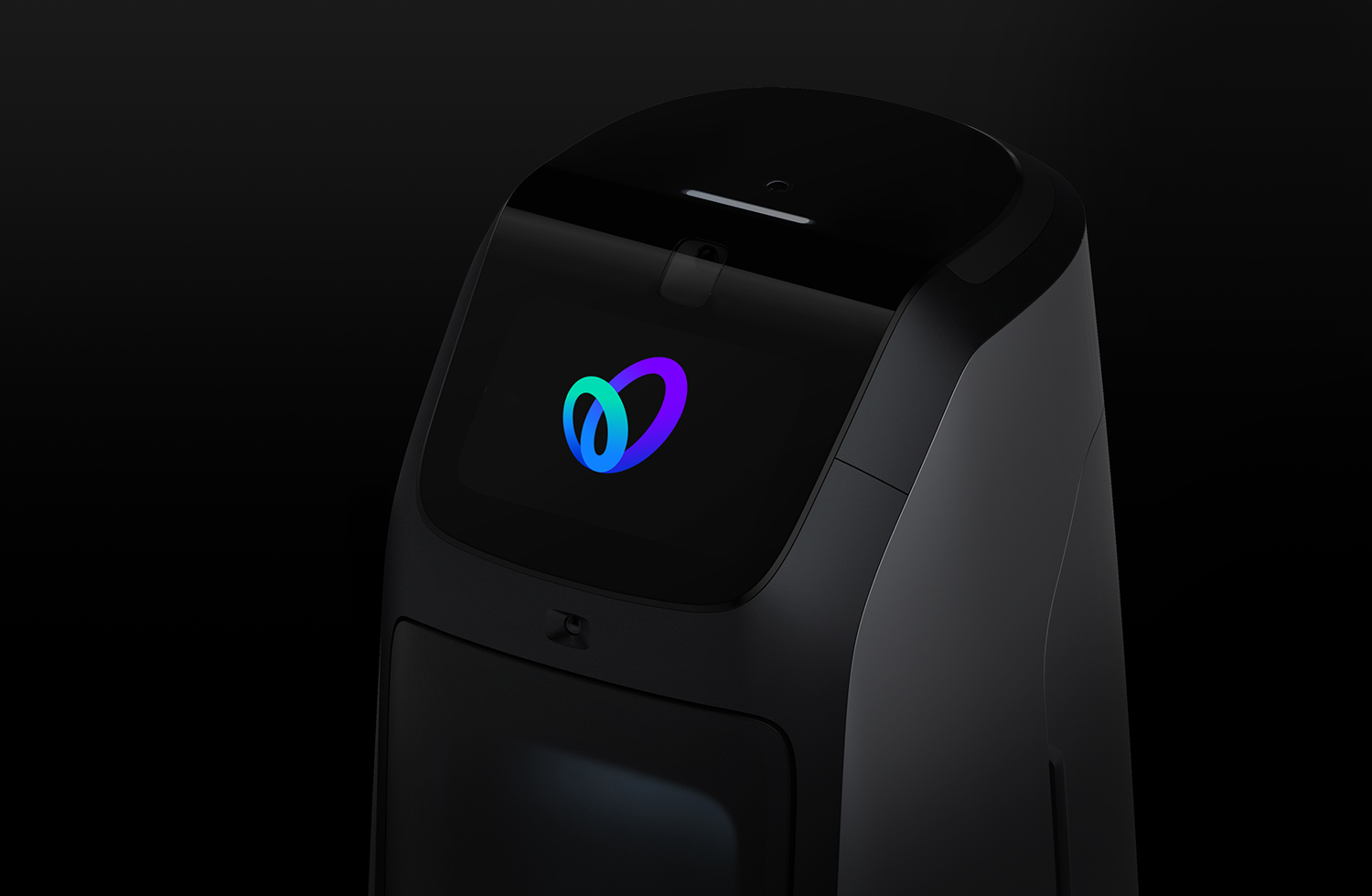
ARC mind is a web platform-based robot OS jointly developed by NAVER Cloud and NAVER LABS. With NAVER Whale OS as the base, we have added functions and development environments specific to robots. ARC mind has the following goals, features, and roadmap.
1. Goals
Providing an environment for web developers: ARC mind aims to provide web developers with the opportunity to develop robot services easily. Since the web is a universal platform, has excellent compatibility, high productivity, and a large pool of developers, it will be a catalyst for increasing the diversity of robot services.
Web API for robots: Beyond the existing web platform technology focused on PCs and smartphones, we will provide web APIs that enable the development of various web services capable of controlling robots.
Leading standardization: We will continue our W3C web standardization efforts and ultimately aim to expand to an open web platform through the developers around the world.
2. OS Features
Lightweight and fast: By composing a simple architecture consisting of the Whale browser and Linux kernel, we excluded unnecessary elements previously included in the “heavy” robot development environment.
Enhanced productivity: Robot services can be developed using web technologies such as web APIs, robot-specific APIs, HTML, and CSS, rather than relying on native technologies.
Security: User and service data are safely protected through the TPM (Trusted Platform Module) chip, which provides hardware-based international standard security functions.
Ease of service deployment: Service updates can be quickly and easily deployed to multiple robots using a server-based approach rather than a client-based approach.
Control and monitoring: Various functions are provided to control and monitor robot hardware and application software, making it possible to initialize stolen robot data or manage CPU temperature and storage capacity from the server.
OTA (over-the-air) support: OTA is a technology that updates software through wireless communication. ARC mind provides OTA by default, allowing new services and functions to be easily applied to robots, simply by updating the OS.
ROS ecosystem support: A dedicated API is provided to communicate with ROS, an open-source framework widely used for the development of existing robot software.
Robot-specific function support : We enable robot control while maintaining web development methods, by providing dedicated APIs that allow the running of robotics functions such as object recognition and autonomous driving via web plugins, or supporting the the Docker environment for seamless application of high-performance AI services.
3. Roadmap
ARC mind is being developed in three phases to establish an ecosystem. In the first phase, ARC mind has been applied to NAVER’s robots.
In the second phase, we will expand the range of models ARC mind can be applied to, targeting NAVER’s partner companies via partnerships and collaborations. The final phase supports a fully open ecosystem, including the provision of open-source codes and open stores. Currently, we are preparing phase two of ARC mind and will continue to strive to achieve the ultimate goal of an open ecosystem.