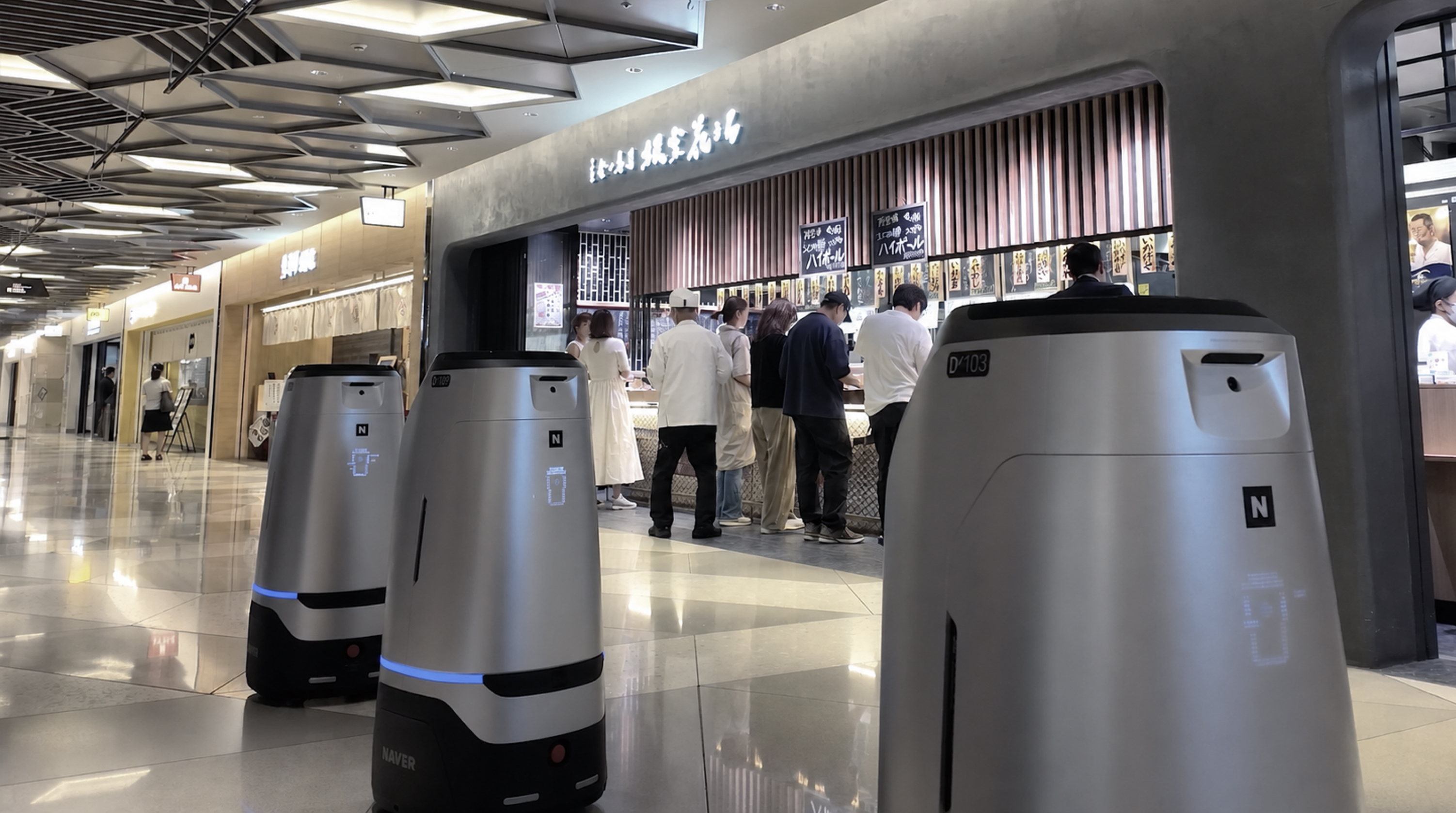
The smart building solutions deployed at NAVER 1784 have now been officially implemented at Tokyo Midtown Yaesu in Tokyo, Japan.
Directly connected to Tokyo Station, Tokyo Midtown Yaesu is a 45-story building that brings together offices, restaurants, a hotel, a bus terminal, and even an elementary school. It is an urban mixed-use complex visited by a wide range of people throughout the day.
Following a pilot program conducted with local partners such as NTT East and Mitsui Fudosan, NAVER officially launched its robot delivery service at the complex this year. This marks the first time the smart building operating model developed at 1784 has been deployed as a live service in a commercial building outside of Korea.
Why a next-generation building in Tokyo chose NAVER LABS Technology
Members of Japan’s leading media outlets recently attended a media event hosted by NTT East and Mitsui Fudosan, demonstrating strong interest in the project. The event showcased the robot delivery service currently operating at Tokyo Midtown Yaesu and the NAVER LABS smart building technologies behind it.
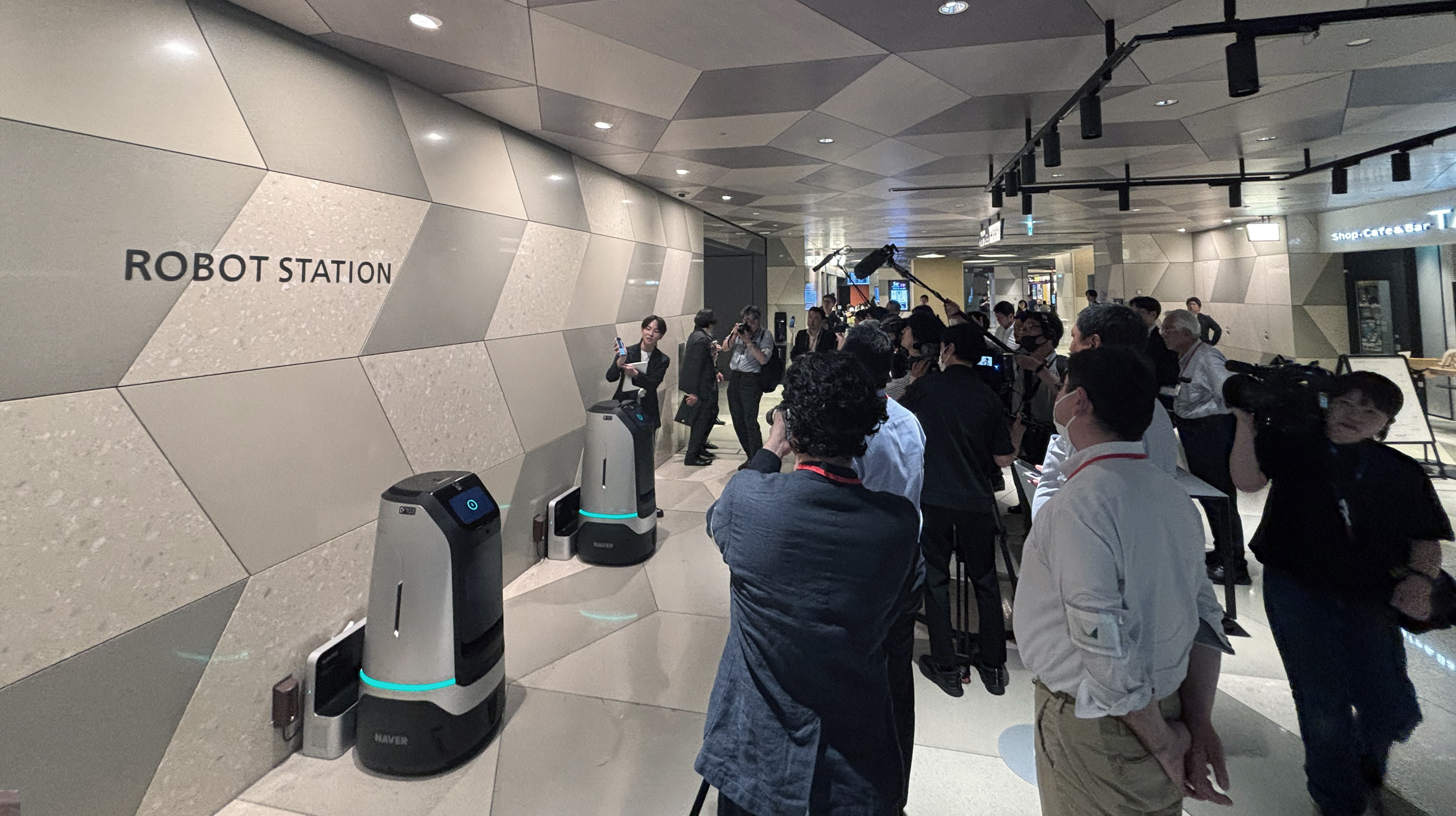
▲ Media event hosted by NTT East and Mitsui Fudosan
The defining feature of this project is not the deployment of individual robots, but their integration into a unified, building-wide service flow. When a user places an order, a robot picks up the item from a food outlet and navigates to the destination by interfacing with the building’s systems. Throughout this journey, the ordering system, robots, spatial data, and building infrastructure work together as one connected ecosystem.
The real-world validation data and operational expertise accumulated at 1784 made it possible for multiple robots to coordinate their movements, respond to unexpected situations, and operate reliably in an existing, fully operational mixed-use commercial building.
Physical AI that understands buildings
Robots operate in the physical world. They move through spaces shared with people, use facilities like elevators and gates, and must respond to obstacles, changing network conditions, and updates to the ordering system. Robot services therefore need a foundation that connects physical spaces, robots, and service systems in real time and enables them to work together.
NAVER LABS has validated this architecture at 1784 through a range of technologies and has now applied it at Tokyo Midtown Yaesu. Built on physical AI, the architecture enables robots to understand their surroundings and connect with building infrastructure.
Using digital twin technology, NAVER LABS first created a digital representation of every floor in the building, establishing spatial data infrastructure that robots can use. Rookie, an autonomous indoor delivery robot, uses this digital map to pick up food from food and beverage outlets on Basement Level 1 and the fifth floor and deliver it to offices.
.gif)
▲ Tokyo Midtown Yaesu recreated as a digital twin
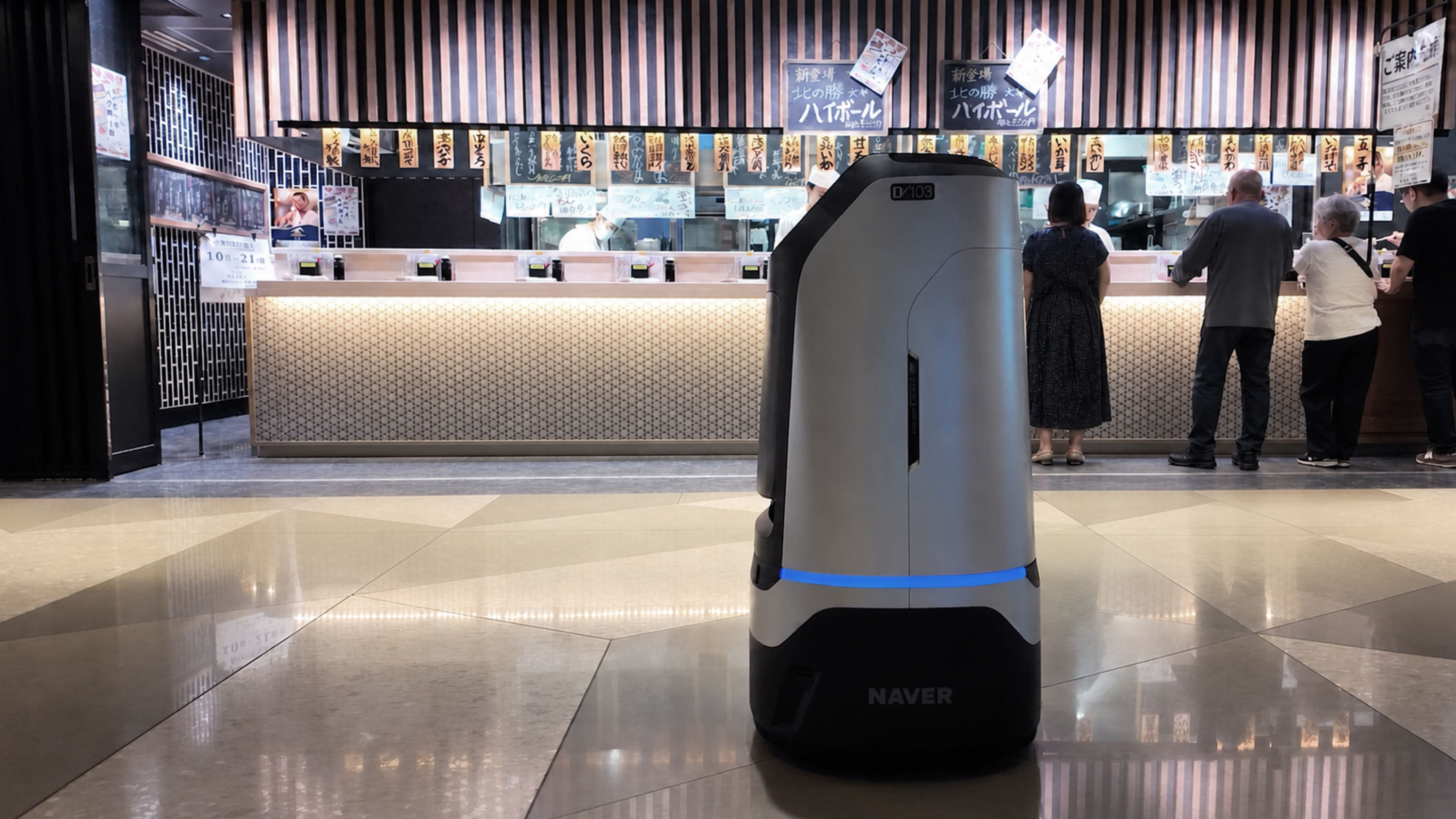
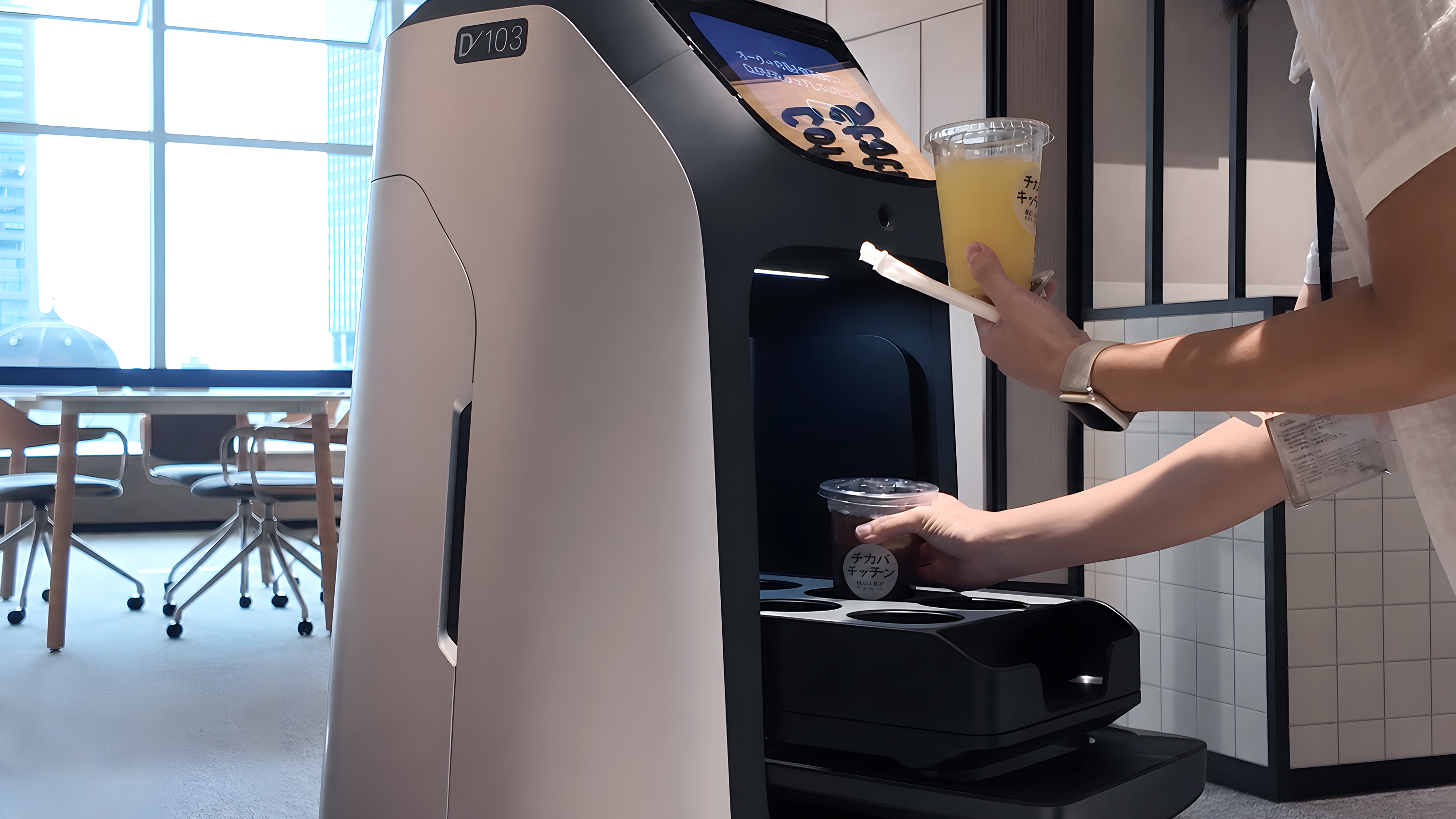
▲ Robot Delivery Service
Throughout this process, ARC brain, a multi-robot platform, provides centralized orchestration and control. It manages the service flow through integration with building infrastructure such as elevators and gates. ARC eye, a 3D vision-based localization technology, supports precise indoor positioning. Beyond helping robots move through the building, the technology can also serve as the foundation for spatial content services such as indoor AR navigation.
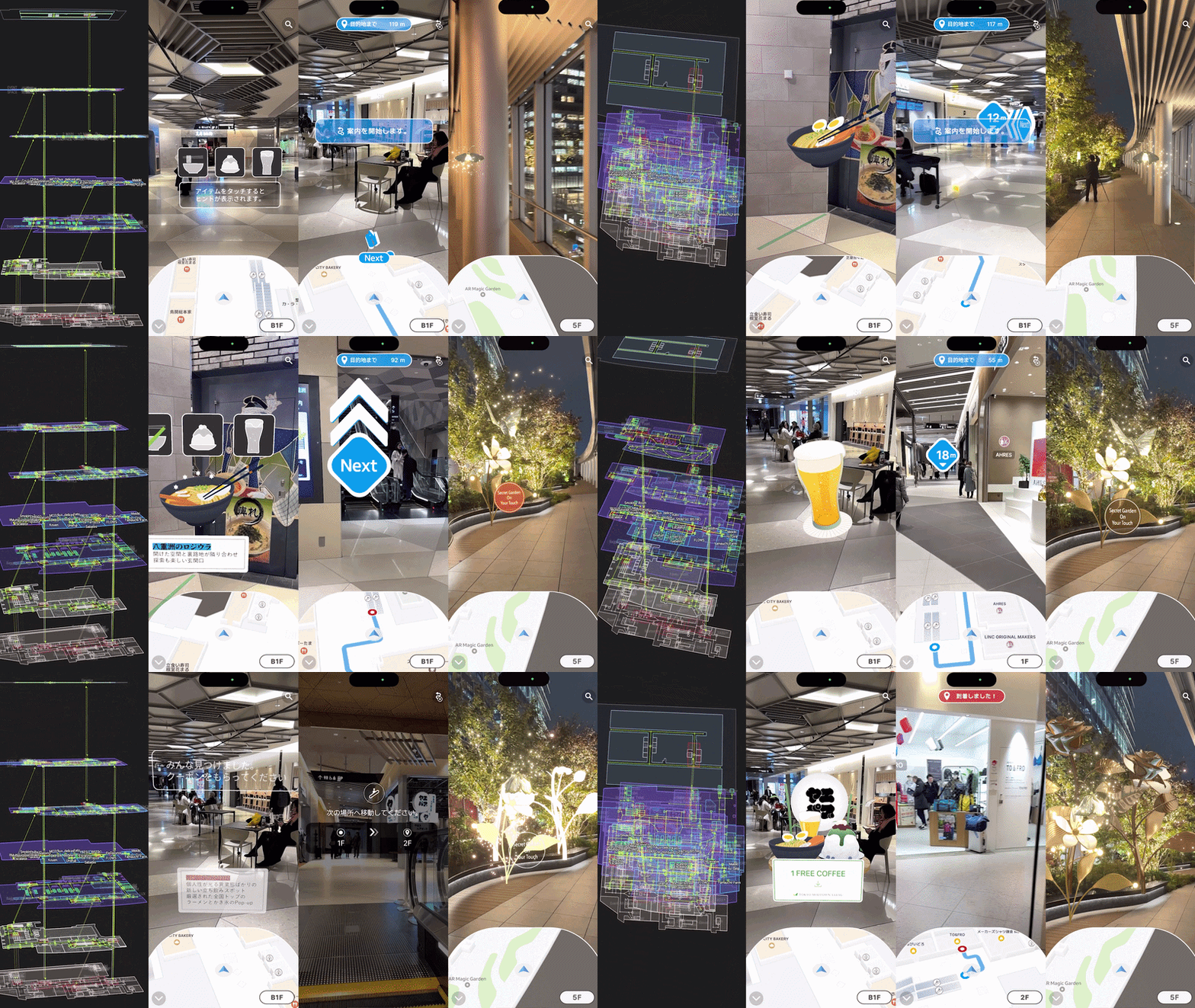
▲ AR guide service demo: store promotions, indoor navigation, and interactive content
From 1784 to the world
This project marks three major milestones.
First, ARC has moved beyond the walls of a robot-friendly building. The project has demonstrated that ARC can operate reliably in an existing, fully operational mixed-use complex outside Korea. Second, it creates building operations infrastructure that extends beyond delivery. By connecting spatial data with robot services, the new infrastructure lays the foundation for robots with different roles and form factors to operate efficiently within the same building environment. Third, it establishes a commercialization model tailored to each customer’s operating environment. Building on this deployment optimized for Japan, NAVER LABS plans to rapidly expand into smart city projects around the world, including those in Saudi Arabia.
Tokyo Midtown Yaesu is the first official global reference site where technologies validated at 1784 have been put into operation.
▶︎ Related Article: NAVER’s ARC Goes to Japan