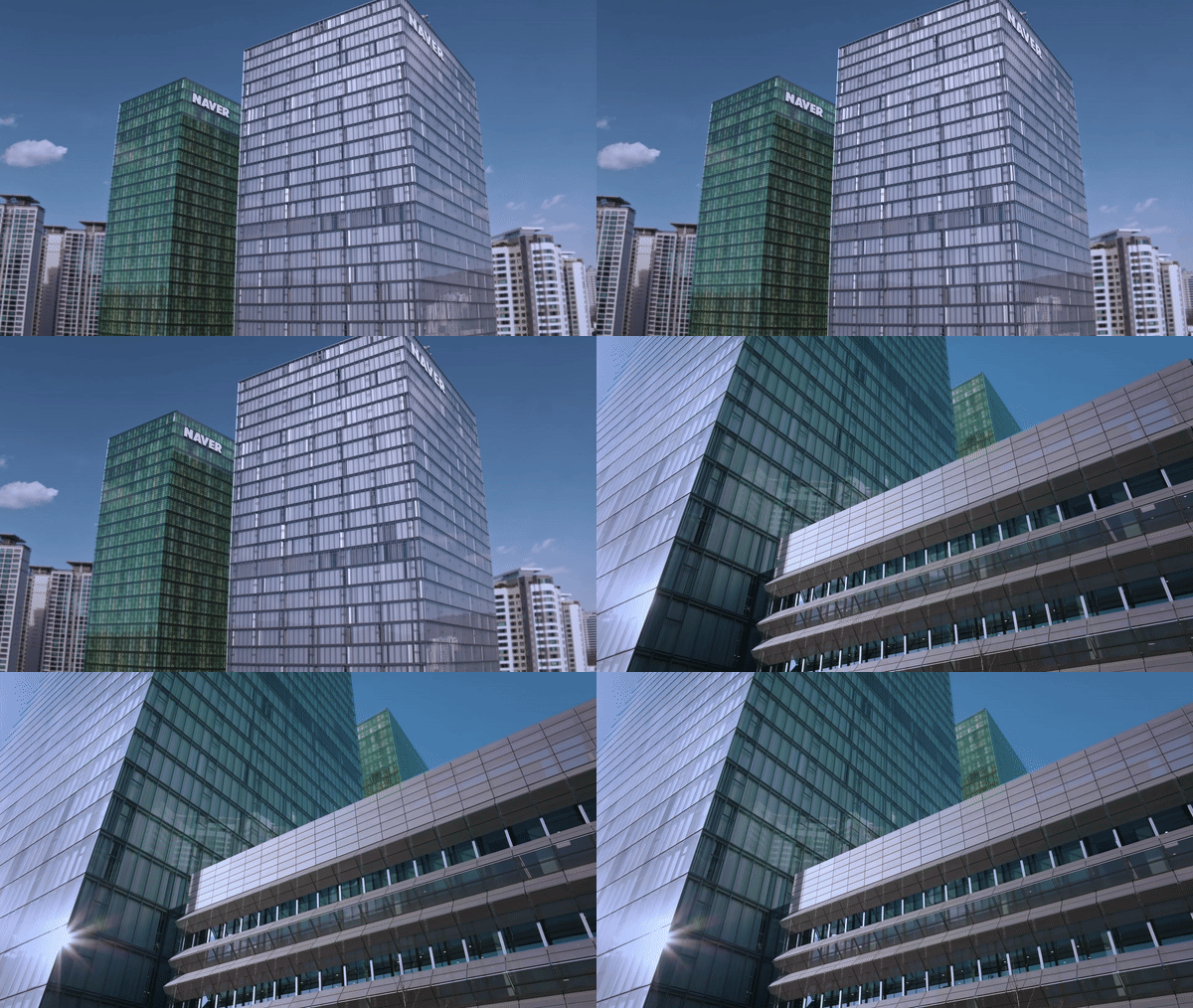
1784 is the official name of NAVER's second headquarters. It was named after the building address: 178-4 Jeongja-dong, Bundang-gu. Coincidentally, 1784 also happens to be the year recorded as the start of the first Industrial Revolution.
This place is especially meaningful to NAVER LABS. It contains the technologies of NAVER LABS along with the many efforts of our researchers and engineers. Among these, we've summarized four features that hold special significance for us. The following features of 1784 are both incredibly unique and closely correlated to each other.
World's First Robot-Friendly Building
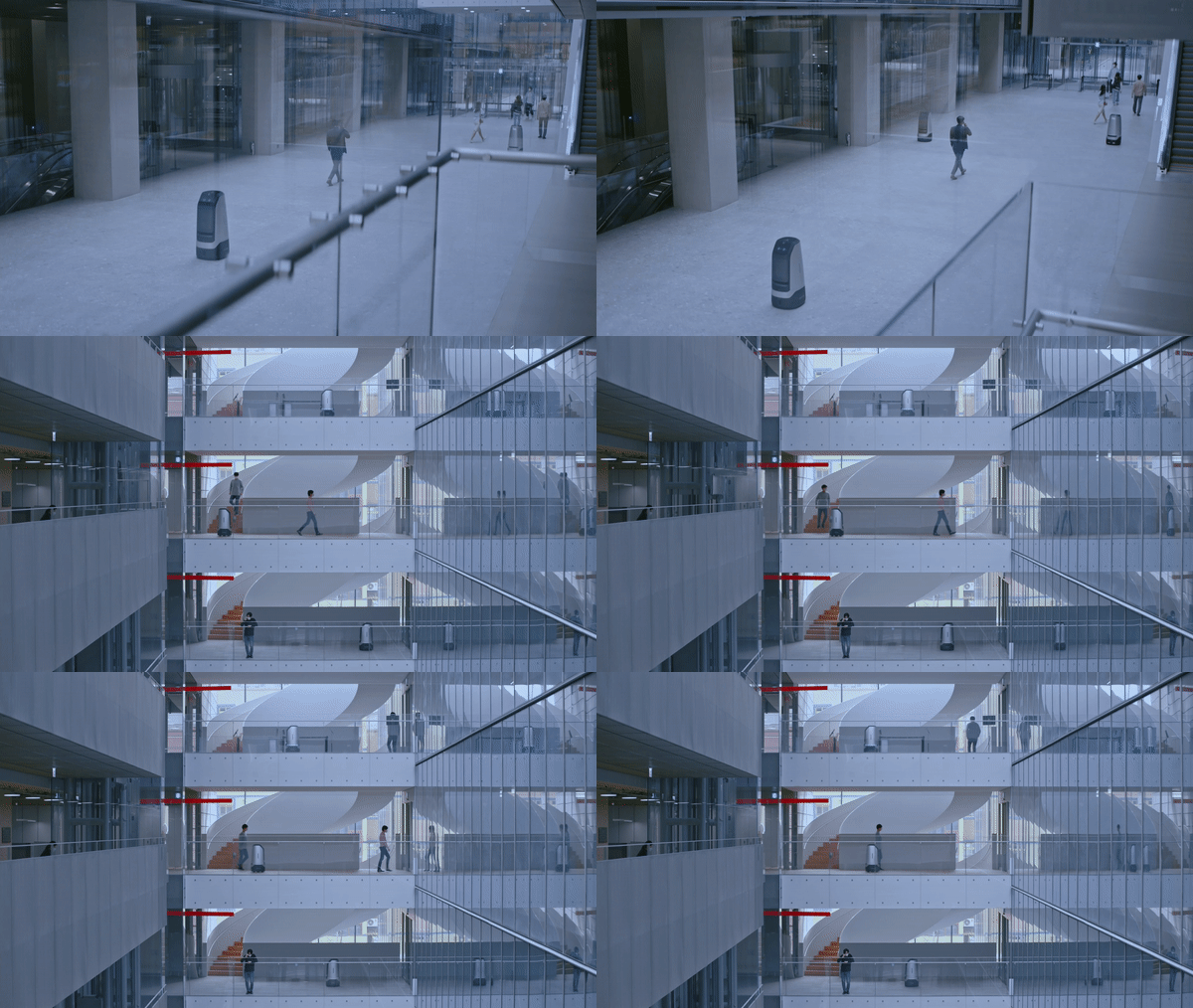
1784 is the world's first robot-friendly building. What does this imply? We made a very important decision when designing 1784. Because robot services will become popularized sometime soon, which will be accompanied by the need for infrastructure changes, we wanted to present a completely new standard rather than simply adding robots to office environments we are so used to.
A great example is the world's first robot-only elevator, ROBOPORT. The vertical movement of robots in high-rise buildings is still a challenge. We wanted to introduce innovations in the facility itself in addition to creating robot algorithms that utilize human elevators. ROBOPORT consists of a loop structure that runs across all floors, from B2 to the roof, maximizing the vertical movement speed and efficiency of 1784 robots.
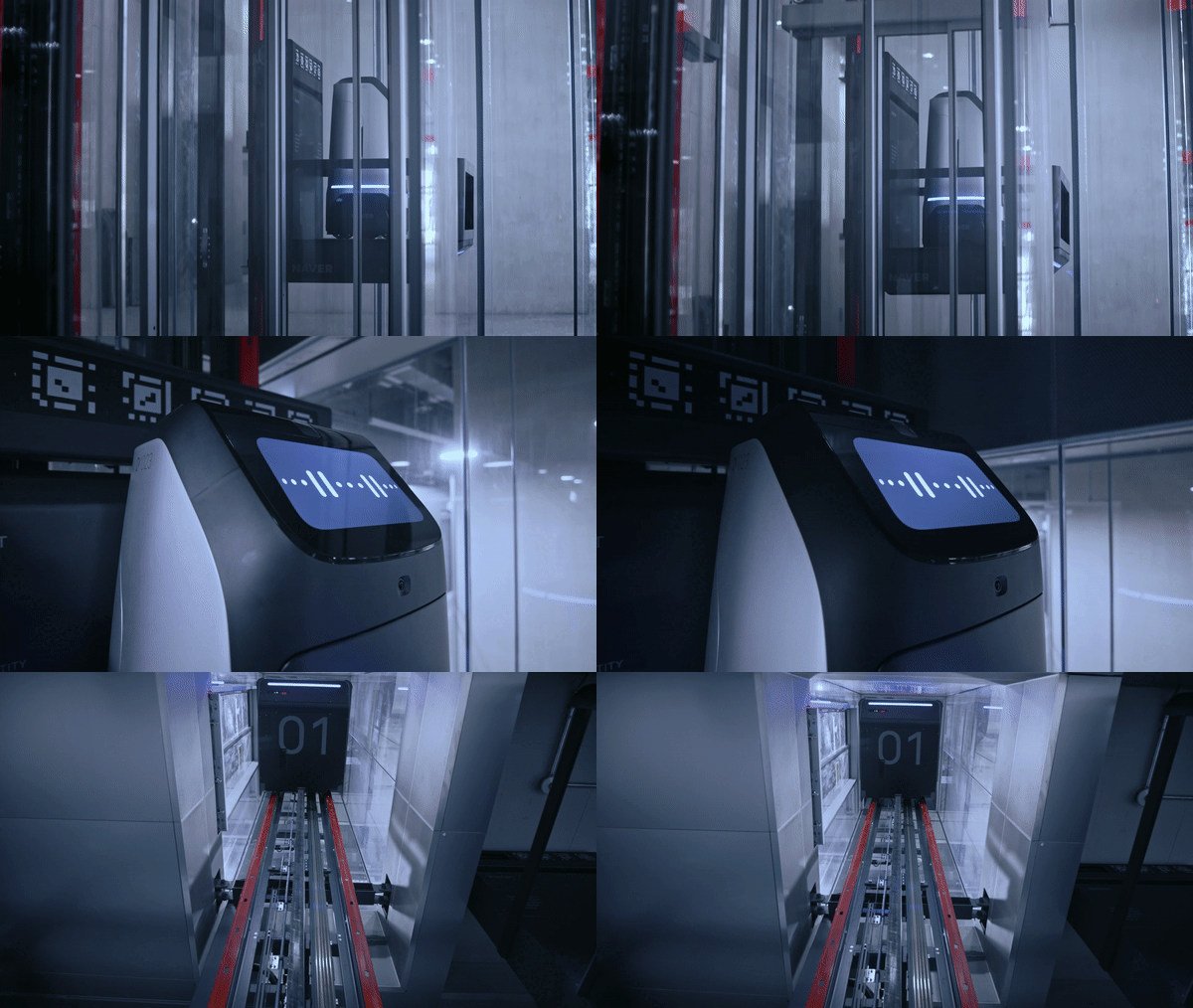
The same is true for local 5G networks. NAVER's robots have the unique characteristic of being cloud-based, and our main goal here was to minimize the communication latency between the robot and the cloud. This is why we installed Ieum 5G (local 5G network) in 1784. We believe that robots can maximize the use of 5G, and are working on proving this in 1784.
Largest Tech-Convergence Since NAVER's Establishment
The construction of a building involves the process of combining different materials such as wood, stone, soil, steel, and glass. This is why we often use the word "construction" to describe the creation of a building. But the more appropriate word for 1784 would be "convergence," as in this building is created from NAVER's technologies . The building itself is a "tech convergence platform" that combines the capabilities of all NAVER technology organizations.
In fact, convergence is the key to NAVER's R&D strategy. While the competition for global technological dominance is fierce, there is no service called 'AI.' There are no platforms named 'robot' nor any company named 'autonomous driving.' We now know that the integration of these technologies is essential to provide truly useful services in our daily lives. Not to mention the difficulty of achieving this as well.
In 1784, experts from the largest number of fields since the foundation of NAVER have come together as one team, to work on this goal of convergence. The experience was really incredible. We were able to accumulate know-how and standards that could not be found anywhere else.
The Building Itself as ARCVERSE
ARCVERSE is a digital twin-based metaverse technology ecosystem built by NAVER LABS. AI, robot, cloud, digital twin, 5G, autonomous driving, AR, etc., are all combined to form mutual connections between real and digital worlds. The solutions and systems that constitute ARCVERSE can be used in service robots, autonomous driving mobility, AR/VR, smart buildings, smart cities, and so on, with 1784 as an excellent reference.
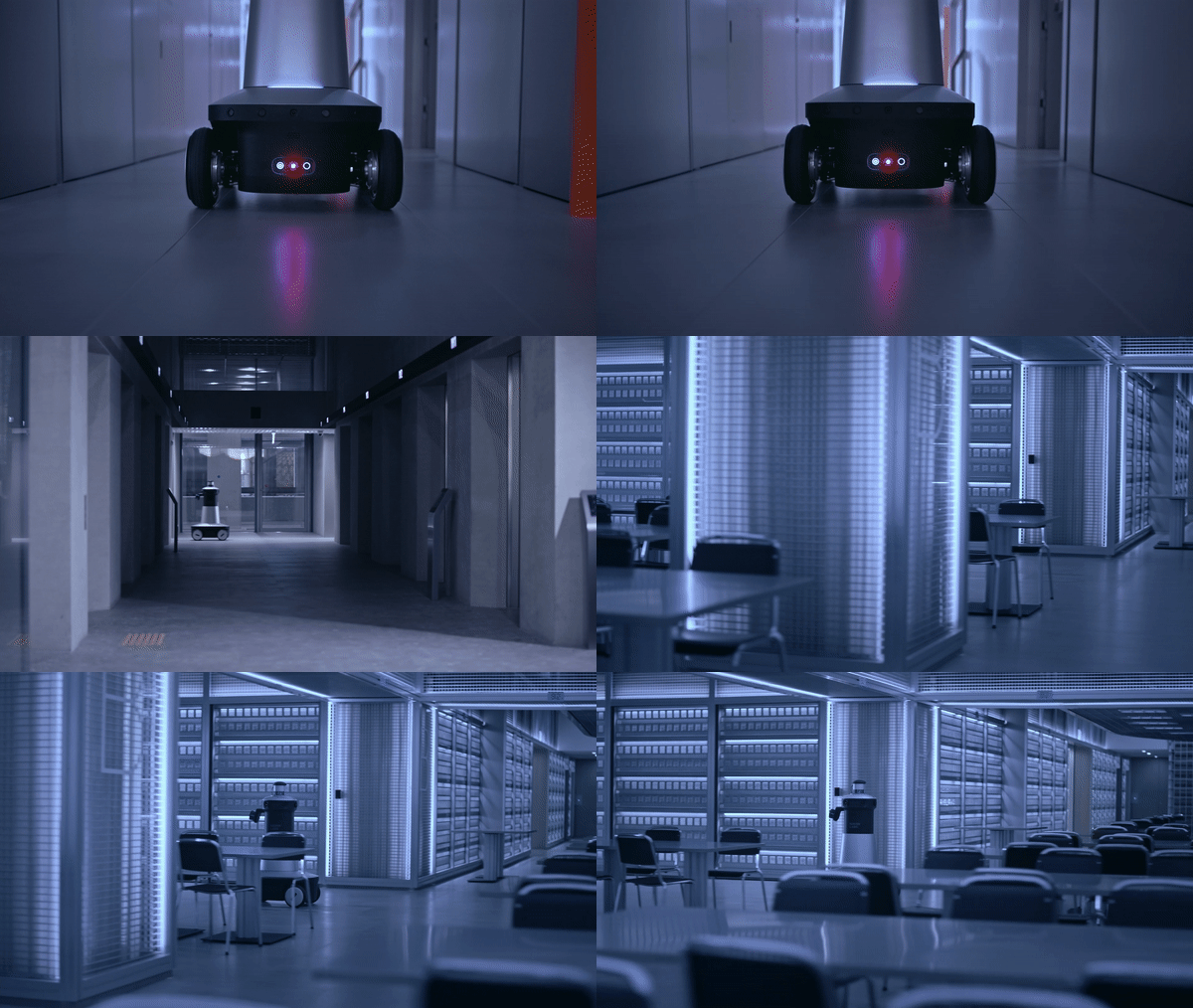
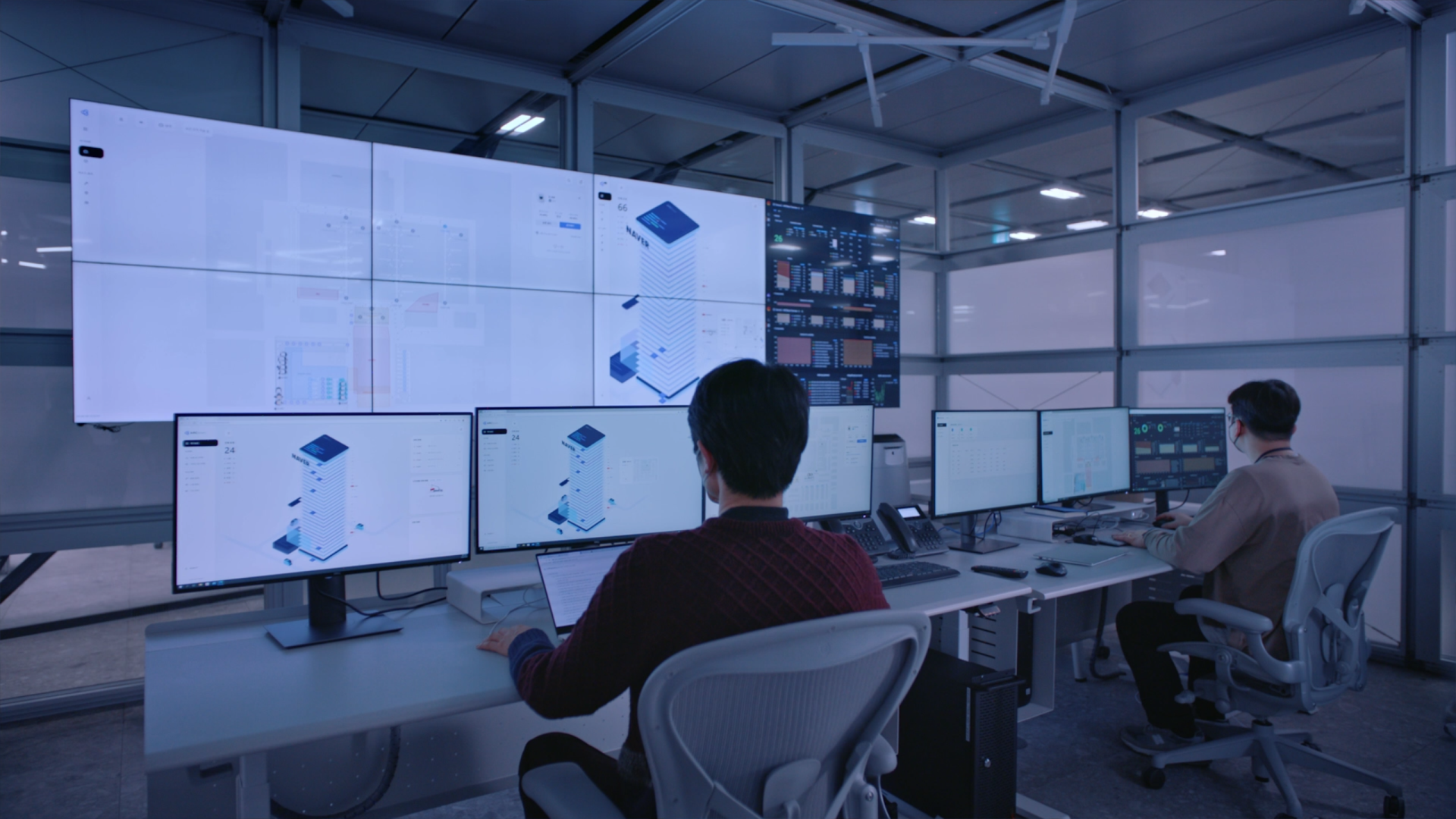
As mentioned earlier, ARCVERSE is based on digital twins. The entire 1784 building has been replicated into 3D, creating a digital twin world for robots. All of this is created using ALIKE, the digital twin solution of NAVER LABS.
This data is then uploaded to the NAVER Cloud Platform. Now, the ARC system begins to work, which is developed by NAVER LABS to interconnect the digital twin world and the physical world. In 1784, the ARC brain system becomes the brain for all robots and also connects various infrastructures and services. The other system called ARC eye performs localization and path planning for the robots.
Massive Testbed
1784 will only become more and more exciting. With 8 basement levels and 28 stories, gross floor area of 1,652,892m2, and lot area of 10,909m2, 1784 is the world's largest robot testbed. Numerous researchers will make full use of 1784's infrastructure to freely continue new and challenging research. Countless projects have already begun.
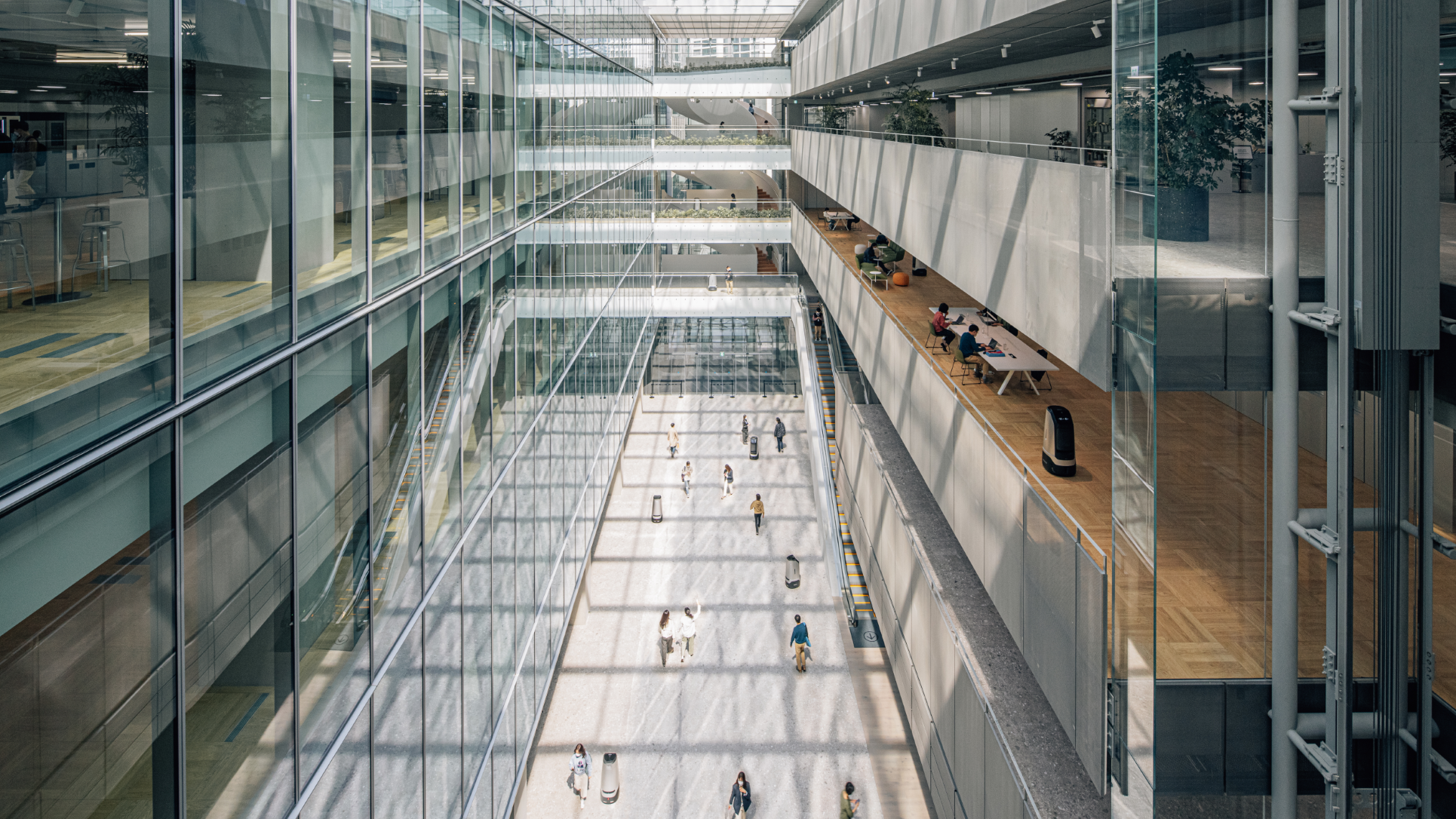
There is one last fact that should not be missed. It is that the people who will see and experience the robots here on a daily basis are the planners and developers of NAVER services, used by hundreds of millions of users around the world. The integration between technology and service will no longer be limited to happening at one's desk or in meeting rooms. Instead, it will be spontaneous; during coffee breaks, while having lunch, or even on the way to work. What kind of new services will be created in a world where robots are a natural part of our daily lives? We'd like to invite you to imagine together.